

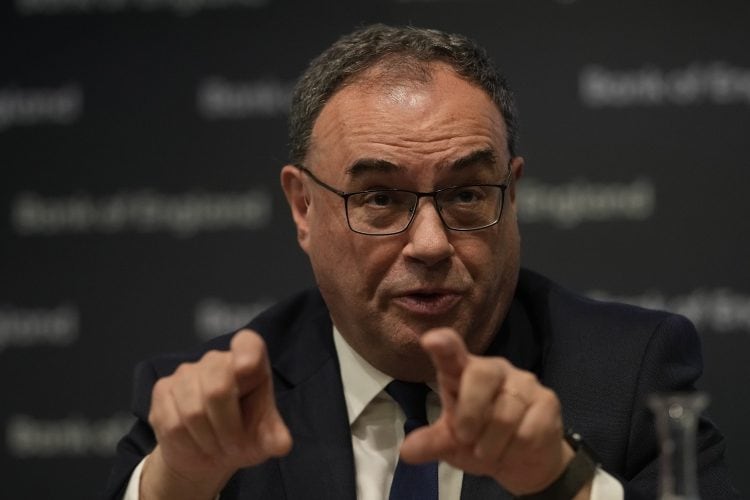
The Governor of the Bank of England has confirmed that Nigel Farage personally lobbied him over cryptocurrency policy and the proposed digital pound – before making clear that the intervention changed precisely nothing.
In a letter released following questions from MPs, Andrew Bailey confirmed that the Reform UK leader had made his views on cryptocurrencies and central bank digital currencies “very clear” during a private meeting at Threadneedle Street last September.
Bailey’s response, however, contained an unmistakably pointed message.
“As a general point, I recognise that we are, by the nature of the Bank’s role, regularly subject to lobbying,” the Governor wrote. “I can assure you that we are able to spot this and appropriately discount it.” He added: “No policy changes have taken place as a result of interventions by Mr Farage.”
That clarification lands awkwardly for Farage, who has publicly suggested he persuaded the Bank to rethink aspects of its approach to stablecoins and had boasted of challenging Bailey directly over proposals for limits on digital currency holdings.
The episode has attracted particular scrutiny because of Farage’s close relationship with crypto billionaire Christopher Harborne, Reform UK’s largest financial backer and the man who handed Farage a controversial £5 million personal gift in early 2024. Harborne has extensive interests in the cryptocurrency sector and is a major investor in Tether, the world’s largest stablecoin operator.
Critics have questioned whether lobbying the central bank on policies with potentially significant consequences for crypto markets represented a conflict of interest, especially given ongoing investigations into the declaration of the £5 million payment.
Bailey’s intervention appears intended to draw a firm line under any suggestion that the Bank’s independence was compromised.
The Governor’s message could scarcely have been clearer: yes, Nigel Farage lobbied the Bank of England on cryptocurrency policy.
No, it didn’t work.