

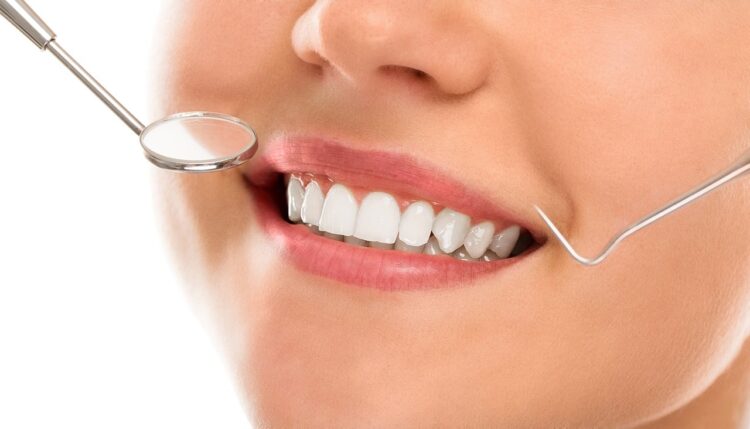
For patients facing extensive dental treatment, the cost of restoring their oral health can be difficult to manage.
Dental implants, multiple crowns and full-mouth rehabilitation may require substantial private investment, particularly when procedures are not routinely available through the NHS.
Amid ongoing concerns about access to NHS dentistry, some British patients are researching treatment options outside the UK.
Dental tourism has existed for decades, with countries such as Hungary and Turkey attracting patients seeking alternatives to domestic private treatment.
Albania is another destination entering the discussion, supported by a growing private dental sector and the country’s increasing visibility among international travellers.
But while lower treatment costs may encourage patients to explore overseas options, the decision to undergo dental surgery abroad involves considerations that extend well beyond the initial quotation.
Why Patients Are Looking Beyond Britain
For many patients, the decision begins with a practical question: how can they access the treatment they need at a manageable cost?
Although NHS dentistry continues to provide essential care, certain procedures, including dental implants, are generally available through the NHS only in specific clinical circumstances.
Those requiring extensive restorative work may therefore need to consider private treatment.
Costs can vary significantly according to the complexity of the procedure, the number of teeth involved, the materials selected and the patient’s individual clinical needs.
Some people choose to proceed with private treatment in Britain. Others postpone treatment or compare alternatives overseas.
Travelling abroad can sometimes reduce the initial cost of dental procedures, but the financial comparison is not always straightforward.
Flights, accommodation, return appointments and potential additional treatment must all be considered.
For complex procedures, the overall treatment journey may also extend over several months.
Albania’s Emerging Role in Dental Tourism
Albania has become increasingly familiar to international travellers, particularly as tourism to the country has developed.
Alongside its hospitality industry, private healthcare providers in the capital, Tirana, offer a range of dental services to domestic and overseas patients.
These include dental implants, restorative procedures, prosthetic rehabilitation and oral surgery.
Some practices have developed arrangements to accommodate international patients, including appointment coordination and assistance with travel logistics.
Among them is Cronos Dental Clinic, a Tirana-based dental practice established in 2018 that provides implantology, oral surgery and restorative treatment.
The development of such services reflects the practical requirements of cross-border healthcare, where patients must consider not only the procedure itself but also communication, travel arrangements and the possibility of multiple visits.
However, the availability of international patient services should not be confused with evidence of clinical quality.
Patients considering treatment overseas still need to examine professional qualifications, treatment plans and the arrangements available if complications arise.
Why Complex Dental Treatment Requires More Than One Specialist
Extensive dental rehabilitation can involve several clinical disciplines.
Implant placement, oral surgery, prosthetic design and restorative dentistry address different aspects of a patient’s oral health, but the decisions involved are often closely connected.
For example, the position of a dental implant can influence the design of the final restoration, while the condition of the surrounding bone and soft tissues may affect the surgical approach.
This is why communication between clinicians with different areas of expertise can be important in complex cases.
Some overseas practices use multidisciplinary teams, bringing together specialists in implantology, oral surgery and prosthodontics. Others coordinate treatment through external specialists and independent dental laboratories.
Neither organisational model guarantees a particular outcome.
What matters is whether the professionals involved have the appropriate qualifications, whether responsibilities are clearly defined and whether treatment decisions are based on the patient’s individual clinical circumstances.
International training can provide additional professional experience, but patients should distinguish between attending training courses, holding recognised specialist qualifications and having practical experience with particular procedures.
The same scrutiny should apply to clinical infrastructure.
Access to imaging, dental laboratory services and appropriate medical investigations can support treatment planning, but the presence of equipment or facilities alone does not establish the standard of care.
For patients travelling internationally, understanding who is responsible for each stage of treatment may be more useful than focusing on the technology advertised by a clinic.
Why Dental Implants May Require Several Visits
One of the practical challenges of dental tourism is the time required to complete certain procedures.
Dental implants are placed into the jawbone and generally require a healing period during which the surrounding bone integrates with the implant surface.
This process, known as osseointegration, can take several months.
In some cases, a temporary fixed restoration may be fitted shortly after implant placement. In others, additional procedures or a longer healing period may be necessary.
Factors such as bone availability, existing oral disease and general medical health can influence the treatment plan.
Patients should therefore be cautious about assuming that extensive dental rehabilitation can always be completed during a single visit.
A preliminary consultation may provide an indication of the proposed treatment, but a definitive plan can depend on further clinical examinations.
Before travelling, patients should establish how many visits may be required, what will happen during each stage and whether any temporary restorations will be necessary.
The timing of treatment should be determined by clinical considerations rather than the convenience of a travel itinerary.
What Happens After Returning to the UK?
Follow-up care is one of the most important aspects of dental tourism.
Dental implants and restorations require ongoing monitoring and maintenance, even after the initial treatment has been completed.
Complications can occur, including inflammation around implants, damage to prosthetic components, or problems affecting the fit and function of a restoration.
When treatment has been performed overseas, arranging further care may involve additional travel or coordination with a dentist in Britain.
Patients should not assume that a UK dental practice will automatically be able to manage complications arising from work completed abroad.
Access to clinical records, details of the materials used and information about the implant system may all be relevant.
For this reason, prospective patients should request written clarification of aftercare arrangements before proceeding.
They should understand who will manage complications, what any warranty includes and whether additional appointments or travel costs would be covered.
These considerations apply to overseas providers regardless of their location, size or reputation.
Comparing Prices Without Overlooking the Details
The possibility of saving money remains one of the main reasons patients investigate dental treatment abroad.
However, advertised prices do not always represent the total cost of care.
A quotation for implant treatment may exclude temporary restorations, additional surgical procedures, diagnostic investigations or later appointments.
The choice of materials can also affect the final cost.
Different prosthetic materials have different functional properties, maintenance requirements and aesthetic characteristics.
Patients should receive clear information about what is included in their treatment plan and why particular materials or procedures have been recommended.
The same applies to warranties, which may be subject to conditions relating to regular check-ups, oral hygiene or maintenance.
A useful comparison should therefore consider the complete treatment process rather than the price of an individual procedure.
Lower costs do not necessarily indicate lower standards, but neither should affordability be taken as evidence that a particular provider is suitable.
What Should Patients Check Before Choosing an Overseas Clinic?
The increasing number of international dental providers gives patients more options, but also places greater importance on evaluating the information available.
Professional registration, relevant clinical experience and a clear explanation of treatment alternatives are important starting points.
Patients should also understand the proposed treatment timeline, the materials involved and the arrangements for follow-up care.
At Tirana-based practices such as Cronos Dental Clinic, where dental professionals from different disciplines work alongside prosthetic laboratory services, patients can ask how treatment responsibilities are divided and how the different stages of care are coordinated.
These are questions worth asking any provider, whether treatment takes place in Albania, elsewhere in Europe or within the UK.
Online reviews and patient testimonials may offer insight into the experience of receiving care, but they cannot replace independent assessment of clinical credentials or provide reliable evidence of long-term treatment outcomes.
Where possible, patients should seek an independent dental opinion before committing to extensive procedures.
The Wider Implications of Dental Tourism
The interest in overseas dentistry reflects broader questions about access to care, affordability and the choices available to patients.
For some people, travelling abroad may provide an alternative worth considering. For others, treatment closer to home may offer practical advantages, particularly where ongoing monitoring or complex follow-up care is required.
Dental tourism is unlikely to resolve the structural challenges facing NHS dentistry, nor is it an appropriate solution for every patient.
Nevertheless, international treatment options are likely to remain part of the discussion as patients compare the costs and practicalities of private healthcare.
The central issue is not simply whether treatment can be obtained for less money in another country.
It is whether patients have the information they need to assess the risks, understand the full financial commitment and make decisions that support their long-term oral health.