

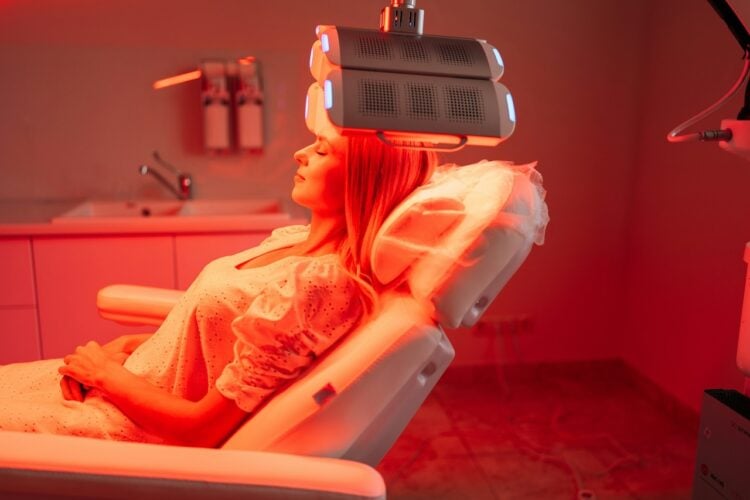
Red light therapy has spent the better part of two decades as a fixture of clinical and sports medicine settings. More recently, a combination of improved device technology, a growing body of published research and falling hardware costs has made home use increasingly viable, and Australian consumers are among those showing growing interest in the category.
The shift is reflected in search trends and consumer behaviour, with red light therapy australia appearing with growing frequency in wellness conversations and retail markets.
The Science of Photobiomodulation
Red light therapy works through a process called photobiomodulation, in which specific wavelengths of red and near-infrared light are delivered to biological tissue and absorbed at the cellular level. The primary site of absorption is thought to be cytochrome c oxidase, a protein within the mitochondria, which responds to photonic energy by influencing cellular energy production.
Research in this area has been ongoing since the 1960s, and a number of peer-reviewed studies have examined its effects across different tissue types and applications. The evidence base is strongest in dermatology and wound healing, with more mixed findings in other areas. As with many emerging therapies, study quality and methodology vary, and more large-scale randomised controlled trials are needed to draw definitive conclusions across all proposed applications.
What the Research Suggests
In the area of skin health, several peer-reviewed studies have reported positive findings. A 2014 study published in Photomedicine and Laser Surgery found improvements in skin complexion, skin tone and collagen density following red light therapy treatment, with authors noting it appeared to be a safe and effective method for skin rejuvenation. A 2013 randomised controlled trialfound significant improvements in skin texture and wrinkle reduction in participants treated with red and near-infrared light compared to controls.
In the area of muscle recovery, a 2016 study published in Lasers in Medical Science found that red light therapy applied before exercise reduced muscle fatigue and post-exercise soreness in participants compared to a control group. The researchers concluded the treatment showed promise as a pre-exercise intervention, though they noted further research was needed to confirm optimal parameters.
It is worth noting that many studies in this area are small in scale and results have not always been consistent across different research groups. Consumers should approach the technology with realistic expectations and an understanding that individual responses will vary.
Why Home Use Is Growing
The shift toward home use has been driven by improvements in LED manufacturing and device miniaturisation, which have made it possible to produce consumer-grade devices that deliver wavelengths and power outputs closer to those used in clinical research settings. Professional-grade equipment once required significant capital investment and clinic infrastructure — that gap has narrowed, though clinical devices still generally offer higher irradiance and more precise output control than consumer products.
For Australian consumers in regional areas with limited access to clinics offering photobiomodulation treatments, home devices represent a more accessible option. That said, anyone managing a specific health condition should consult a healthcare professional before starting any new treatment protocol.
What to Look for in a Device
Device quality varies significantly across the consumer market. Key specifications to look for include wavelength accuracy, irradiance at a standardised measurement distance, and evidence that the manufacturer tests and publishes actual output figures rather than peak or theoretical values.
StreamShop Australia offers a range of home-use devices with published specifications, and its range includes options designed to deliver wavelengths consistent with those used in peer-reviewed research. As with any health-adjacent technology purchase, consumers are encouraged to review the available evidence and choose suppliers who are transparent about device performance.
A Developing Field
Red light therapy sits in an interesting position: it has a longer research history than many consumers realise, with an evidence base that is genuinely growing, but it also remains an area where marketing has at times outpaced what the science clearly supports.
For Australians curious about the technology, the most sensible approach is to engage with the published research, set realistic expectations and treat it as a complementary tool rather than a replacement for professional medical advice. The field is developing, and the clearer picture of where red light therapy is most likely to be beneficial will emerge as the quality and scale of research continues to improve.
This article is intended for general informational purposes only and should not be regarded as medical advice. While it discusses published research into red light therapy, individual responses may vary and evidence differs between applications. Readers should consult an appropriately qualified healthcare professional before starting any new treatment, particularly if they have an existing medical condition or are receiving medical care.