
Nigel Farage wants voters to believe his decision to resign as MP for Clacton is an act of defiance. According to the Reform UK leader, the by-election he has just triggered is a chance for “the people” to deliver their verdict on what he describes as an establishment stitch-up.But strip away the rhetoric and a different picture emerges.Farage has resigned before Parliament’s Standards Commissioner, Daniel Greenberg, reaches a conclusion on his investigation into the Reform leader’s undeclared £5 million gift from crypto billionaire Christopher Harborne and allegations surrounding staffing, security and accommodation funded by long-time associate George Cottrell. Farage denies any wrongdoing and insists he has complied with the rules.The timing is unlikely to be a coincidence.Had Greenberg concluded that Farage committed a serious breach of the MPs’ Code of Conduct and recommended a suspension of at least 10 sitting days, the Commons could have approved the sanction. Under the Recall of MPs Act, that would have triggered a recall petition in Clacton. If 10 per cent of eligible voters signed it, Farage would have lost his seat automatically and a by-election would have followed.By resigning first, Farage takes that sequence off the table.Instead of facing a potentially damning standards report followed by a recall petition over which he has little control, he gets the contest he wanted all along: an immediate by-election fought on his own timetable and with his own message.There is plenty of precedent. Owen Paterson resigned in 2021 once it became clear a lengthy suspension was inevitable, preventing the recall process from ever beginning. Boris Johnson and Chris Pincher also left Parliament before standards sanctions could ultimately lead to recall. The findings of any investigation are not erased by resignation, but the political consequences change dramatically.Farage also knows there is nothing preventing him from standing again. MPs who resign or lose their seats through recall are perfectly entitled to contest the resulting by-election. Douglas Carswell and Mark Reckless both successfully sought fresh mandates after defecting to UKIP in 2014, while Chris Davies failed to regain his seat after his recall in 2019.The crucial difference is narrative.A recall petition is driven by Parliament’s disciplinary process. A by-election triggered voluntarily by resignation allows Farage to tell supporters he is taking his case directly to the people. Within hours of his announcement, he was already framing the contest as “the people versus the establishment” rather than a referendum on questions surrounding undeclared financial support.That may prove politically astute. But it does not answer the obvious question.If Farage believed the Standards Commissioner’s report would completely clear him, why resign before it arrived?His resignation does not make the investigation disappear. Greenberg’s findings can still be published and any fresh Parliament could revisit the matter if Farage is returned. What resignation does achieve is avoiding the one outcome he could not control: the prospect of Parliament suspending him and his constituents deciding, via recall, whether he deserved to remain their MP.Farage says he wants the public to decide his future.
The question voters in Clacton may ask is why he chose to resign before Parliament had the chance to.
The real reason Nigel Farage resigned his seat
Farage insists he's taking his case to the voters - but his resignation also sidesteps the parliamentary process that could have forced him from office anyway.
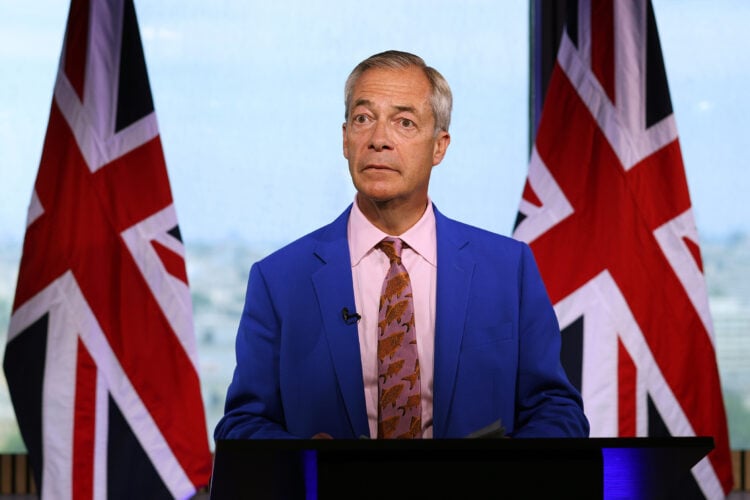
Dan Kitwood/Getty Images