

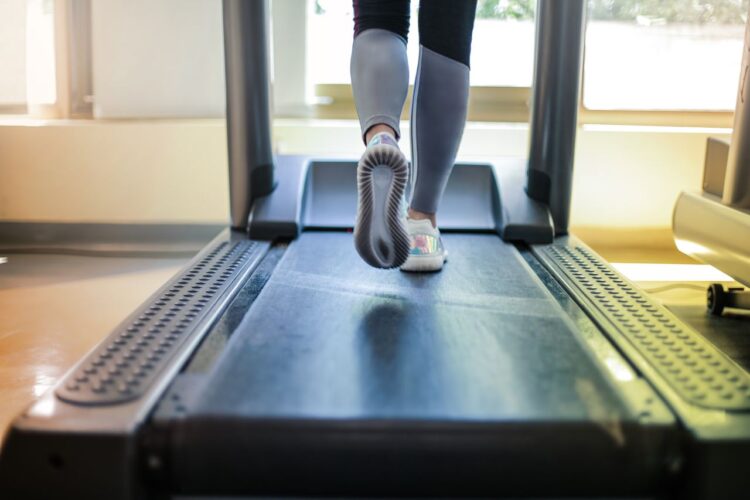
By mid-afternoon on a typical working-from-home day, plenty of us have walked no further than the kettle and back. The commute, for all its faults, used to force a few thousand steps into the day. Without it, many hybrid workers in the UK find their step counts quietly collapsing, and their backs, hips and moods noticing before they do.
The Problem With the Kitchen-Table Office
The NHS recommends that adults do at least 150 minutes of moderate activity a week and break up long periods of sitting. That second part is the one most home workers struggle with. A morning run does not undo eight hours slumped over a laptop, and the British winter makes lunchtime walks a hard sell from November to March.
Long stretches of sitting tend to tighten hip flexors, weaken glutes and leave people stiff by the end of the day. None of it is dramatic, but it builds up.
Why Walking Is Having a Moment
Walking has become fashionable again, partly thanks to social media trends built around treadmill incline routines. The appeal is easy to see. Walking is low impact, needs no special skill, and can be done in work clothes. You do not need to shower afterwards, which matters if a Teams call is due in ten minutes.
What Incline Adds
Walking uphill changes the workout considerably. Even at a steady pace, an incline raises heart rate and asks more of the glutes, hamstrings and calves than flat walking does. For people who dislike running or have knees that complain about it, incline walking offers a way to work harder without adding speed or impact.
The Space Question in British Homes
The obvious objection is room. Many UK flats and terraced houses simply do not have space for a full-size gym treadmill, and few people want one dominating the spare bedroom. This is why compact and folding machines have become so popular with home workers.
The newer generation of folding treadmills tries to combine incline and storage, two features that used to be mutually exclusive. One example is the KingSmith WalkingPad G5i foldable incline treadmill, which according to the manufacturer offers an incline of up to 18% across 25 levels and speeds from 1 to 10 mph (16 km/h). It folds to about 25.8 cm high and can be stored flat or upright against a wall. It is worth noting that it weighs 68 kg, so it is a machine you roll into place on its wheels rather than carry around, and buyers should plan where it will live.
How to Build Walking Into a Working Day
Owning equipment is the easy part. Using it consistently is harder. These approaches tend to work for people who stick with it.
Walk Through the Calls You Do Not Need to Type In
Listening-heavy meetings, internal catch-ups and phone calls are ideal for walking. Typing while walking is awkward for most people, so save focused writing for when you are seated.
Use the Commute Slot
Many hybrid workers find it helpful to keep their old commute time as a walking block. Twenty minutes before logging on and twenty after logging off creates a clear boundary between work and home, something many people lost when the office went remote.
Start Flat, Then Add Incline Gradually
Jumping straight to a steep gradient is a common mistake. Calves and Achilles tendons need time to adapt. A sensible approach is to walk flat for the first week or two, then add a small incline for short spells and build up over several weeks.
Keep the Pace Conversational
For walking during work, the aim is steady, easy movement, not a workout. If you cannot speak comfortably on a call, slow down.
A Simple Weekly Plan for Beginners
- Week one: two or three 15-minute flat walks a day at an easy pace.
- Week two: extend one walk to 30 minutes and add a gentle incline for five minutes.
- Week three: try a dedicated incline session after work, alternating three minutes of moderate incline with two minutes flat.
- Week four onwards: aim for a mix of easy walks during calls and two or three harder incline sessions a week.
A Few Things to Watch
Posture matters. Holding the handrails tightly while walking uphill reduces the work your legs do and can strain the shoulders, so use them for balance rather than support where you can. Wear proper trainers rather than slippers or socks. And if you have joint, heart or balance problems, speak to your GP before starting a new exercise routine.
Noise is another consideration in flats and shared houses. Placing a mat underneath and avoiding early-morning sessions can help keep neighbours on side.
What the Research Says About Sitting Less
Public health guidance has shifted over the last decade from simply “exercise more” to “sit less, move more often”. Short, regular bouts of movement through the day appear to help with blood sugar control, energy levels and mood. Walking during work does not replace structured exercise, but it fills the gaps that home working has opened up.
The Bottom Line
Home working gave many of us more flexibility and fewer train delays, but it also took away a lot of everyday movement. Walking during calls, keeping a daily walking slot, and gradually adding incline are realistic ways to get some of that back. Whether you use a walking pad, a folding treadmill or simply the streets around your home, the goal is the same: spend less of the working day sitting still.